In-store processes
Product and barcode use cases
Overview
Shopreme Core already covers a wide range of product-handling use cases out of the box. Many of these use cases require little more than enabling a configuration flag or defining a pattern, often without writing any custom code. Others can be added with small or moderate extensions, depending on the complexity of the custom cases.
The goal of this article is to give a clear overview of what shopreme supports, which scenarios can be implemented with minimal effort, and which more specialized cases typically require custom work.
If you have additional questions or your use case is not mentioned here, please get in touch with your shopreme Integration Consultant.
Core use cases
These use cases are fully supported in shopreme Core and can be enabled with configuration changes, product data setup, or minimal code adjustments. Implementation is typically straightforward and does not require significant custom development.
Regular products
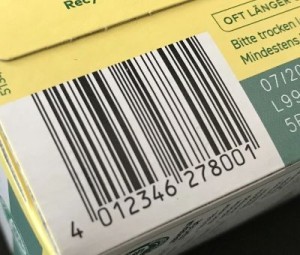
shopreme supports regular barcoded products out of the box. Any EAN, UPC-A, or custom barcode value can be mapped to a product in your product catalog. Once mapped, scanning resolves directly to that single product—fast and reliable.
Price-encoded barcodes
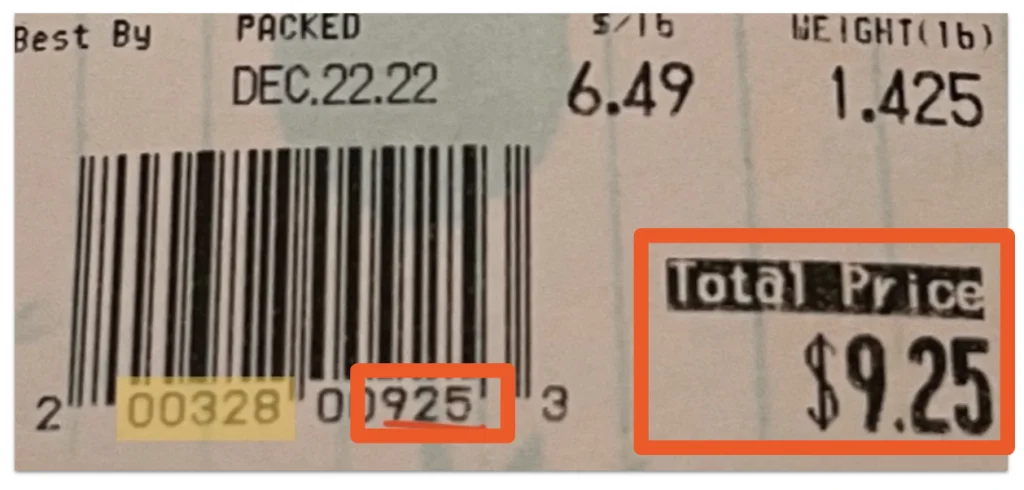
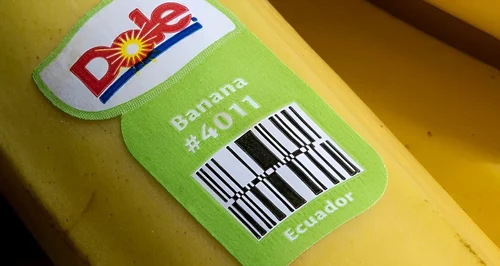
These are barcodes that embed the final price, usually with a prefix and a PLU (Price Look-Up) code. shopreme can parse the price segment, match the PLU to the correct product, and add the product to the cart with the encoded price. This is commonly used in fresh produce and bakery items, where prices are encoded in the barcode as a result of weighing the products on a scale.
Quantity-encoded barcodes
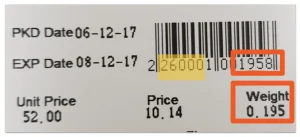
These follow the same idea as price-encoded barcodes, but embed a quantity instead. shopreme extracts the quantity, links the scanned PLU to the product, and calculates the final price using the unit price (or forwards it to a third-party pricing engine to return the final price). This is ideal for multipacks, hardware items, or several identically weighed pieces.
Weight-encoded barcodes
Weight-encoded barcodes contain a PLU and the weight of the item, typically produced by a scale. shopreme reads the weight value and works with either shopreme pricing or an external pricing engine to compute the final price: price = weight × unit price.
Commonly used for fruit, vegetables, meat, and cheese.
Deposit products
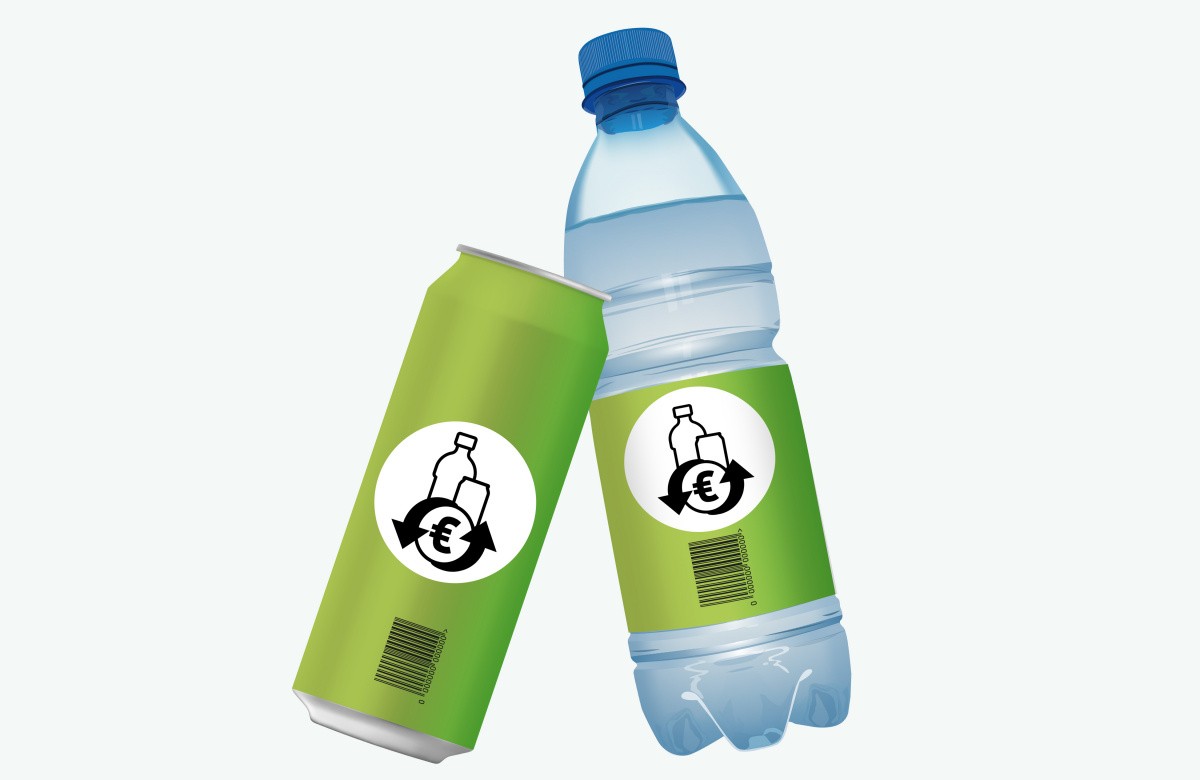
shopreme supports deposit handling as an additional linked product. When a shopper scans a bottle, crate, or any product with a deposit, the corresponding deposit item is automatically added as a separate line. This is frequently used in Germany and Austria, known as Pfand, and is available out of the box.
GS1 standard barcodes
GS1-compliant barcodes, including DataBar or DataMatrix, are fully supported. If you follow the GS1 structure for weights, dates, or batch data, shopreme can extract the relevant segments easily, as long as they follow the standard.
Barcode blacklisting
To prevent adding certain products to the cart (e.g., restricted items), shopreme supports barcode blacklisting. You can define exact barcode values or regex patterns. When scanned, the app displays a predefined “scan error message” and blocks the item from being added to the cart.
Product selector for shared barcodes
If multiple products share the same barcode, shopreme automatically displays a product chooser dialog. The user selects which product they meant to add. This avoids mis-scans and ensures correct cart contents. No code required—just product data setup.
Products without barcodes
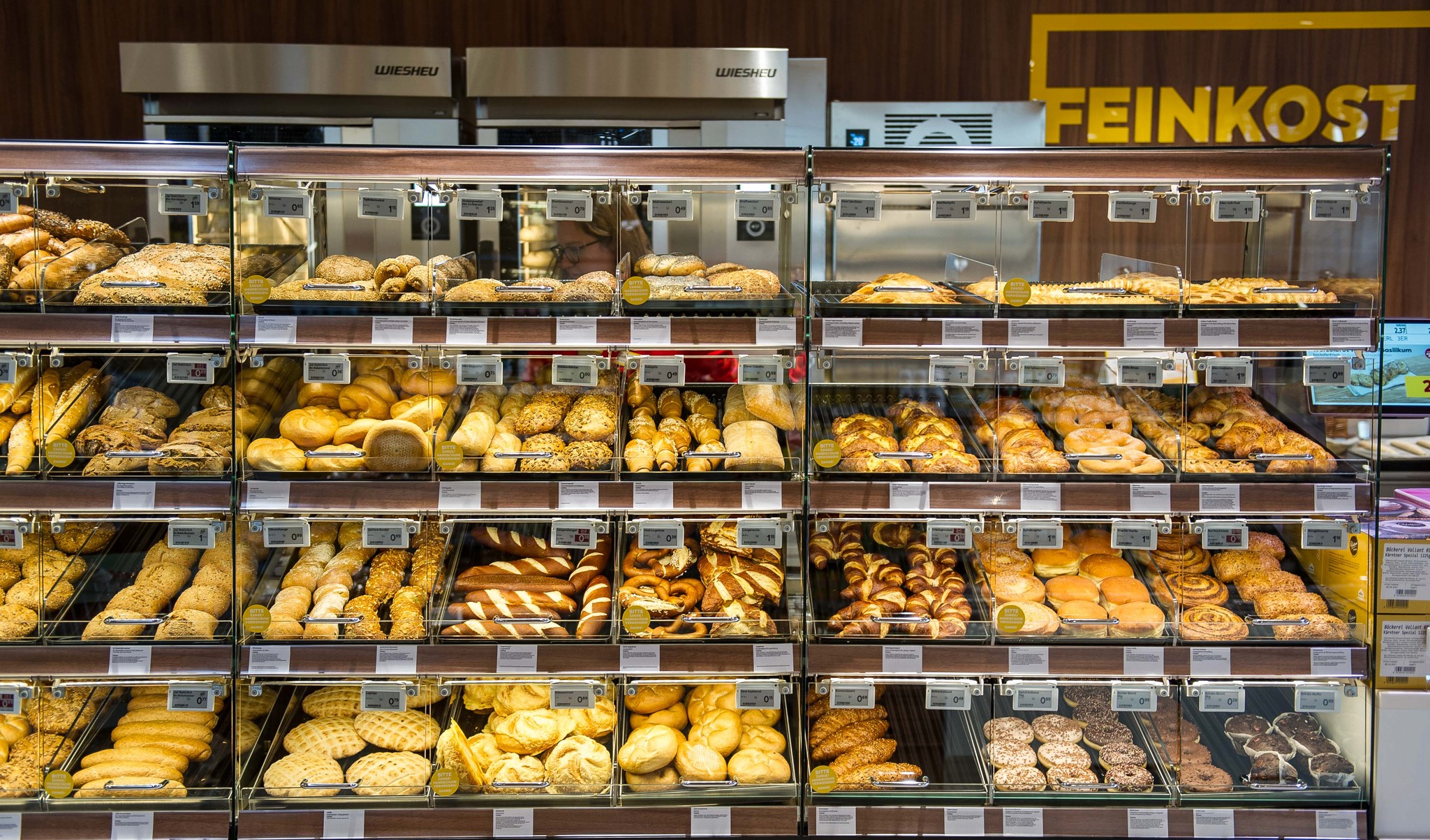
shopreme includes a category browsing feature, allowing barcode-less items to be added through the category tree. This covers cases such as bakery self-service, unpackaged goods, or local items without printed barcodes. You only need to provide the product data with category assignments, or manually manage the relevant products through the shopreme Management Console > Catalogue.
Additional custom use cases
These scenarios are supported by the shopreme architecture, but usually depend on retailer-specific barcode structures, pricing rules, or loyalty integrations. Implementation often requires custom logic or integration work.
Deposit vouchers
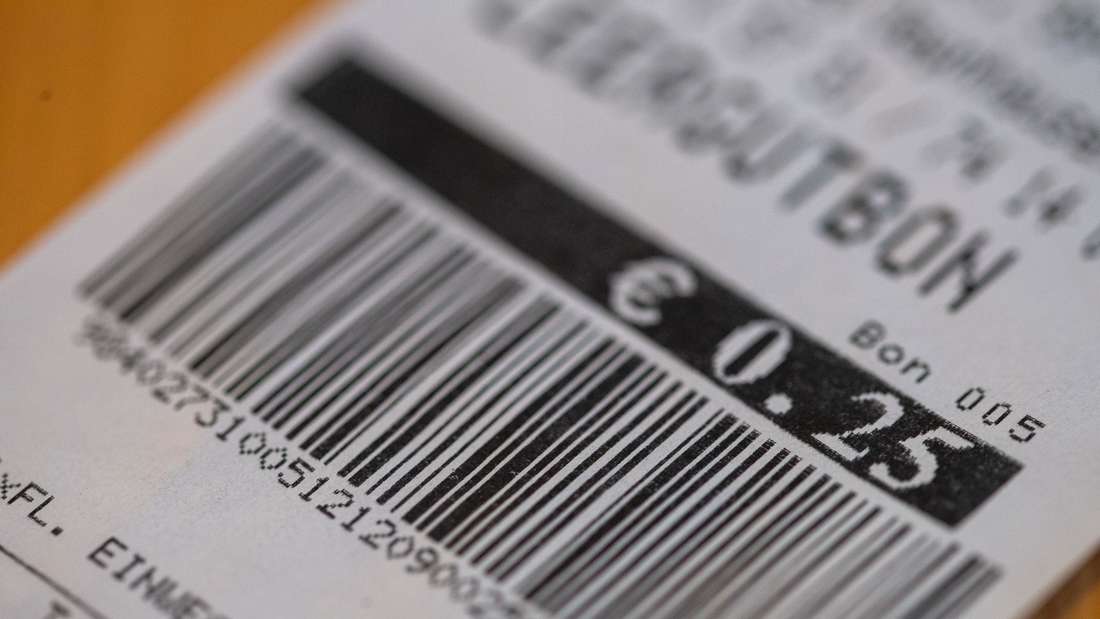
When customers return bottles or crates, they receive a printed voucher that can be redeemed at checkout. These vouchers follow retailer-specific patterns. shopreme can support them, but requires custom parsing rules and payment-flow integration.
Press articles
Magazines and newspapers typically follow a special barcode convention (e.g., ISSN-13 with supplements). These vary by market and publisher. shopreme can parse and map them, but different retailers often use unique logic, making this a light customization case.
Delicatessen counter / compound products
Deli or butcher counters often produce barcodes that represent multiple items inside a single package (e.g., assorted cheeses). shopreme can display these as compound products with “ingredients”, but you must provide data structures or pricing rules for splitting or aggregating content and communicating with the pricing engine. The implementation effort depends on how detailed you want the breakdown to be.
Coupons and discounts
You may use custom barcode patterns that trigger discounts, either on a product or on the entire basket. shopreme supports applying discounts through external loyalty or promotion systems, but the parsing and integration logic can be complex, depending on your requirements regarding pricing and taxes.
Reduced-to-clear products (Best-before)
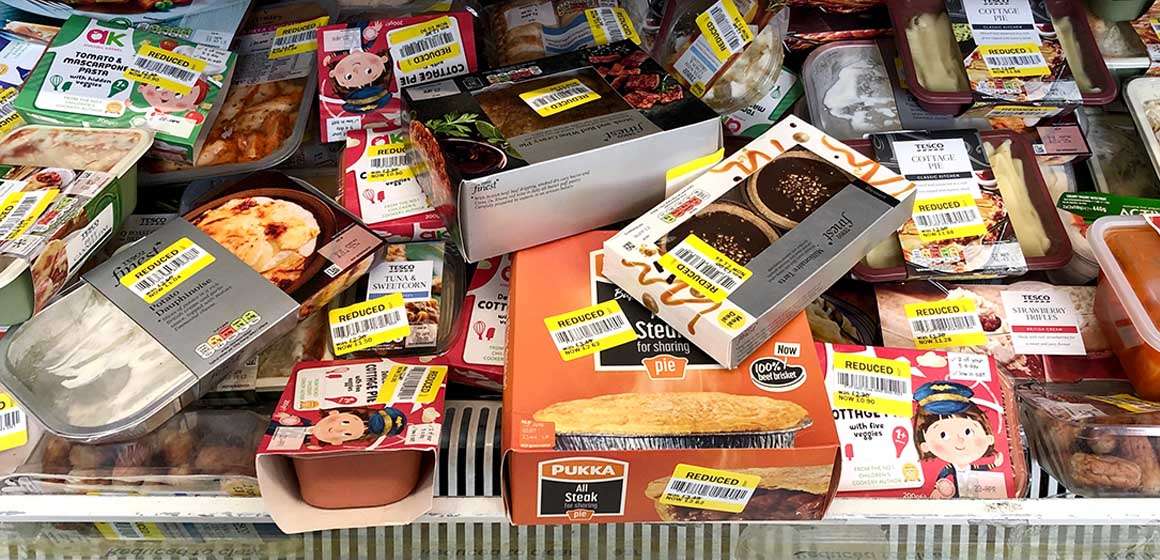
Reduced-price items close to expiry often have custom sticker barcodes. Since each retailer uses different formats, shopreme configures the recognition and discount logic tailored to your needs. This frequently involves setting up regex patterns, UI adjustments in the apps, and discount workflows.
Loyalty cards
Retailer-specific loyalty cards can be scanned and added to the cart to redeem coupons, earn and burn points, or apply vouchers. Because loyalty systems vary significantly, custom integration with your backend or loyalty provider is required.
Concessionaire products
This refers to products that are sold on behalf of third parties (e.g., postal stamps, handicrafts, lotto, deli handmade meals, etc.). These require additional data in the receipts or product metadata. shopreme supports the structure, but the exact fields depend on each concessionaire’s requirements.